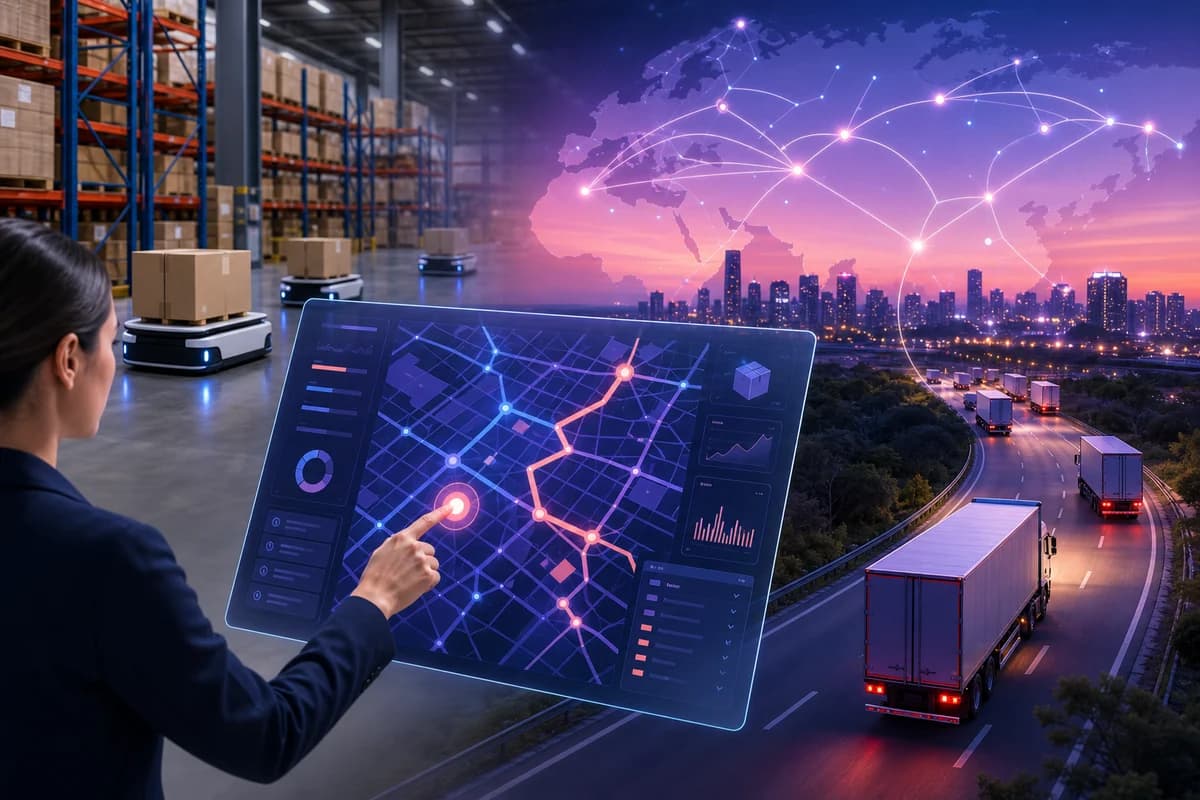
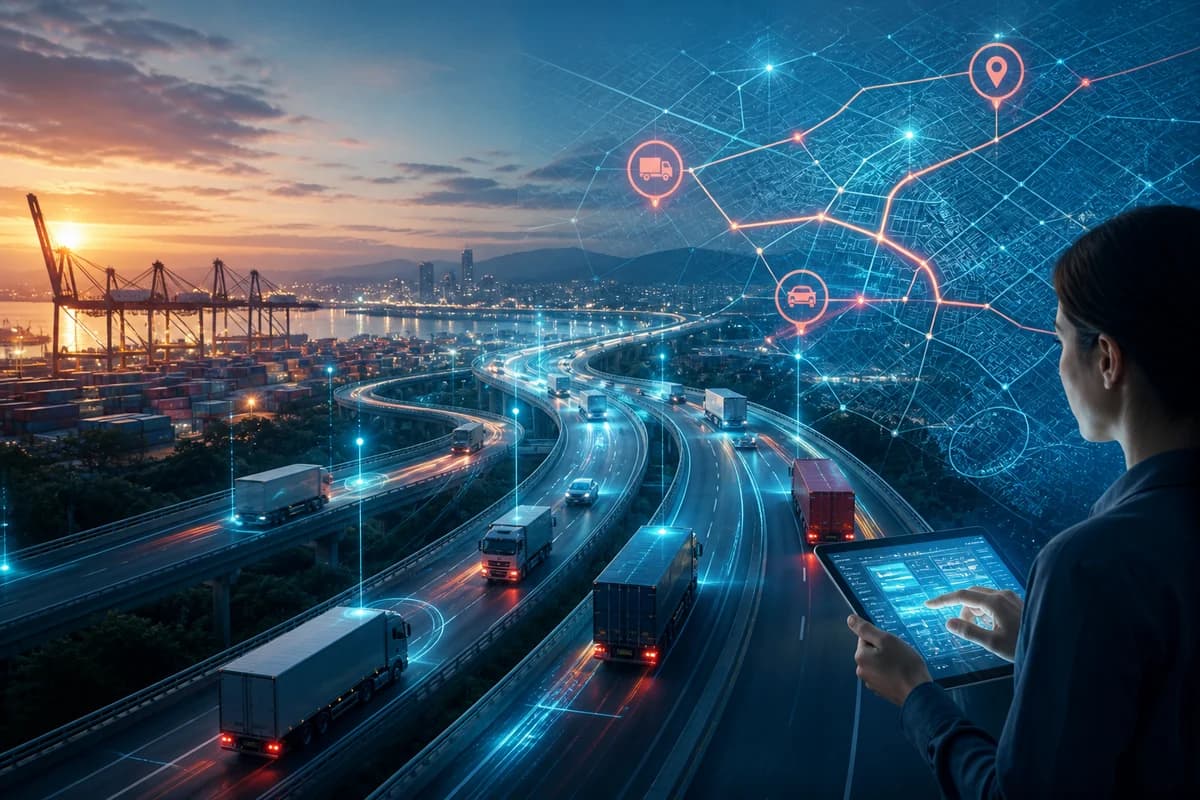
Transportation Automation
AI can improve route planning, fleet utilization, dispatching, and maintenance by analyzing traffic, asset, and operational data. These capabilities help teams respond to disruptions and use resources more efficiently.
Future Trends
Future transportation systems will rely on stronger real-time data and more coordinated automation. Organizations should introduce these systems with safety controls, performance monitoring, and clear human escalation paths.
Assist dispatch without overriding safety constraints
A dispatch pilot could suggest revised assignments after a delay using vehicle availability, pickup windows, and route constraints. The dispatcher reviews the alternatives and approves a change through the existing system. The model should describe which constraints it considered and which information is missing.
A practical pilot
-
Separate mandatory constraints from preferences such as shorter travel time.
-
Test historical disruptions and compare recommendations with feasible dispatch decisions.
-
Require confirmation from the system of record before communicating a new assignment.
Controls and limitations
Estimated travel times can change and operational data may be incomplete. Driver availability, vehicle suitability, and applicable safety requirements should be enforced by verified rules. Keep manual dispatch available during service outages.
What to measure
Track on-time arrivals, infeasible suggestions, dispatcher review time, and unnecessary reassignment. Look at service reliability alongside distance or cost savings so optimization does not shift problems to drivers or customers.
Explore dispatch workflow automation.