
AI in Retail
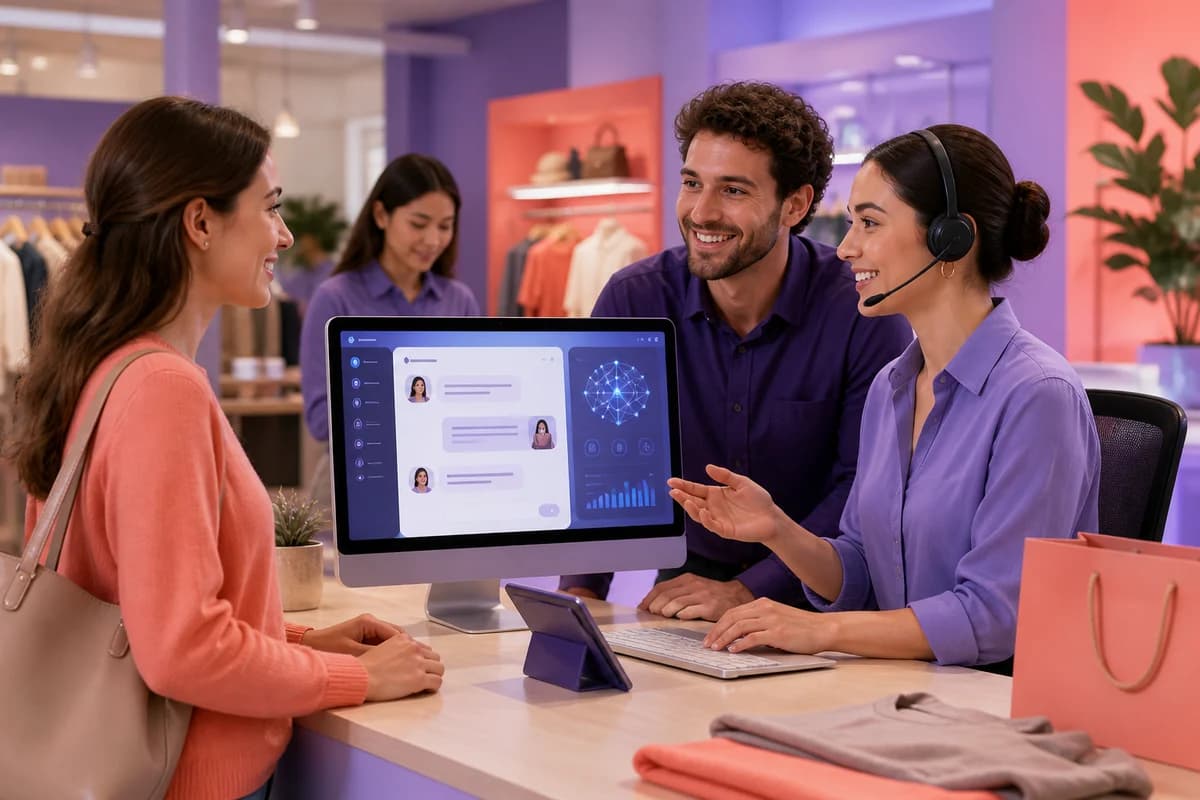
AI-powered assistants can provide around-the-clock responses to routine retail questions, including product information, order status, and returns. This reduces wait times and lets support staff focus on more complex cases.
Personalization through AI
Customer data can support more relevant recommendations and service, but personalization should respect consent and privacy. Clear handoff to a person remains important when the issue is sensitive or unusual.
Limit a first assistant to verified order information
A retail support pilot can answer order-status questions using an authenticated lookup and approved policies. The assistant explains what the order system actually reports and offers a human handoff when information is missing. Refunds and account changes should remain outside its scope until the required controls have been tested.
A practical pilot
-
Define supported questions and keep product and policy content versioned.
-
Verify customer access before showing order details; do not rely on a guessed order number alone.
-
Test delayed shipments, conflicting tracking events, and questions the assistant cannot answer.
Controls and limitations
Customer messages and retrieved documents should not be allowed to override access rules. Confirm actions only after a successful system response, and make handoff easy. Recommendations should avoid unnecessary use of personal data.
What to measure
Measure correct resolution, repeat contacts, unsuccessful handoffs, and customer satisfaction. A low handoff rate is not success if customers cannot reach someone who can solve their problem.
Explore retail service workflows.